Corpo Pagina
I primi insediamenti nel territorio di Serramanna, ubicato nel sud Sardegna, si datano tra il Neolitico recente e finale e l’età del rame, periodi caratterizzati rispettivamente dalla Cultura di Ozieri e quella di Monte Claro. I ritrovamenti più importanti sono il villaggio neolitico di Cuccuru Ambudu e il menhir Perda Fitta (letteralmente “pietra infissa”), un masso in granito alto 145 cm, appena sbozzato, con 10 coppelle incavate, come rappresentazione protoantropomorfa delle mammelle della divinità femminile.
Il più significativo ritrovamento di età nuragica è il nuraghe portato alla luce duranti i lavori per la ristrutturazione della chiesa di S. Lucia; di minore rilievo sono invece i nuraghi nelle località di Santa Luxeria, Su Muntonali e Bruncu Gattus.
In epoca romana il territorio di Serramanna fu assai popolato, come attestano le numerose testimonianze provenienti dai resti degli insediamenti; i reperti rinvenuti sono custoditi al Museo Archeologico di Cagliari. Sia in epoca romana che in quella bizantina, il paese fu un centro di grande importanza per la produzione agricola.
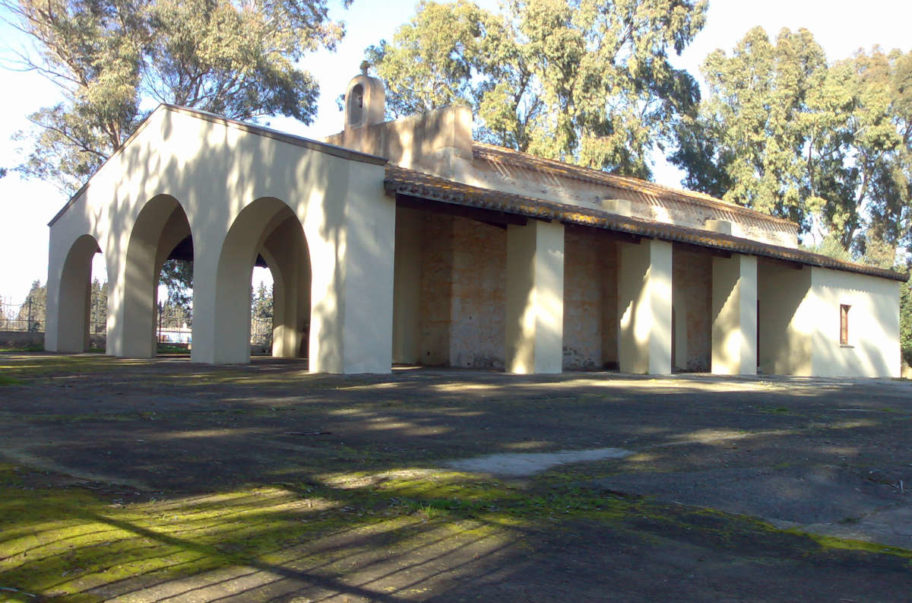
Immagine in evidenza: chiesa di Santa Maria
ph.credits: Carlos82, CC BY-SA 3.0 <https://creativecommons.org/licenses/by-sa/3.0>, via Wikimedia Commons
